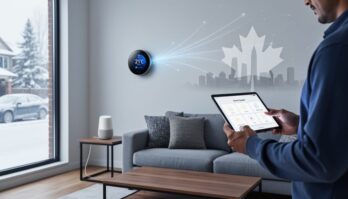

Install smart smoke and carbon monoxide detectors with smartphone alerts as your first priority—these IoT-enabled safety systems directly address buyer concerns about fire recurrence and demonstrate your commitment to cutting-edge protection. Connect these to a whole-home monitoring system that includes water leak sensors and temperature monitors, creating a comprehensive safety network that reassures potential buyers the property now exceeds modern safety standards.
Replace traditional thermostats with smart climate control systems that provide zone-specific temperature management and air quality monitoring. This upgrade serves dual purposes: it shows complete HVAC restoration after fire damage while highlighting energy efficiency that appeals to environmentally conscious buyers. Pair this with smart air purifiers that eliminate any lingering odors, using HEPA filtration and activated carbon technology to prove the indoor environment is healthier than before the incident.
Integrate visible smart home features that signal complete modernization—video doorbells, keyless entry systems, and app-controlled lighting create an immediate impression of a fully updated property. These technologies shift buyer focus from past damage to future convenience, positioning your home as move-in ready with premium amenities.
Document everything through a dedicated property app or digital home manual. Provide buyers with warranty information, system tutorials, and maintenance records for all smart upgrades. This transparency builds trust and transforms potential liability into a competitive advantage, showing you’ve not just repaired the damage but elevated the entire property beyond its pre-fire condition.
Why Smart Upgrades Matter After Fire Damage
Overcoming the ‘Fire Damage Stigma’
Fire-damaged properties often face skepticism from potential buyers who worry about hidden structural issues or incomplete repairs. This is where smart home technology becomes your most powerful marketing tool. By integrating cutting-edge systems throughout your renovated home, you’re not just adding modern conveniences—you’re providing tangible proof of comprehensive restoration.
Smart upgrades serve as visible indicators that your property meets current building standards and has been thoroughly modernized. When buyers see professionally installed smart smoke detectors, integrated security systems, and automated environmental controls, they recognize these aren’t quick fixes but investments in long-term safety and functionality. These technologies require proper electrical infrastructure and professional installation, which signals that your renovation went beyond surface-level cosmetic repairs. If you need to sell fire damaged house fast, these features provide the competitive edge you need.
Furthermore, smart systems offer transparency that traditional homes cannot match. Features like connected smoke detectors with maintenance alerts or water leak sensors demonstrate ongoing monitoring, addressing buyer concerns about future issues. This technological validation helps transform perceived liability into competitive advantage. Smart technology essentially provides buyers with documented reassurance that your property has been restored to exceed modern safety expectations.
Creating Immediate Visual Impact
When potential buyers walk through your home after fire restoration, visible smart upgrades immediately signal that your property has been thoroughly modernized rather than simply patched up. This psychological shift is crucial for overcoming initial hesitation about fire damage.
Smart thermostats with sleek touchscreen displays, wall-mounted control panels for integrated systems, and modern smart lighting fixtures serve as visual proof of comprehensive renovation. These devices tell a story: this isn’t just a house that survived a fire, it’s a home that emerged better than before.
Consider placing a contemporary smart home hub in a prominent location like the entryway or kitchen. These visible technology touchpoints create conversation starters during showings and help buyers envision a connected lifestyle. Voice-activated assistants integrated throughout the home demonstrate seamless functionality while subtly redirecting attention from past damage to future possibilities.
Upgrading light switches to smart models throughout affected areas accomplishes dual purposes: it ensures all electrical components are demonstrably new and safe, while providing an attractive modern aesthetic. Similarly, installing visible smart smoke and carbon monoxide detectors reinforces safety messaging without drawing attention to the fire incident itself. These strategic upgrades transform buyer perception from “fire-damaged property” to “cutting-edge smart home.”
Smart Safety Systems: Your Best Selling Point
Advanced Smoke and Fire Detection
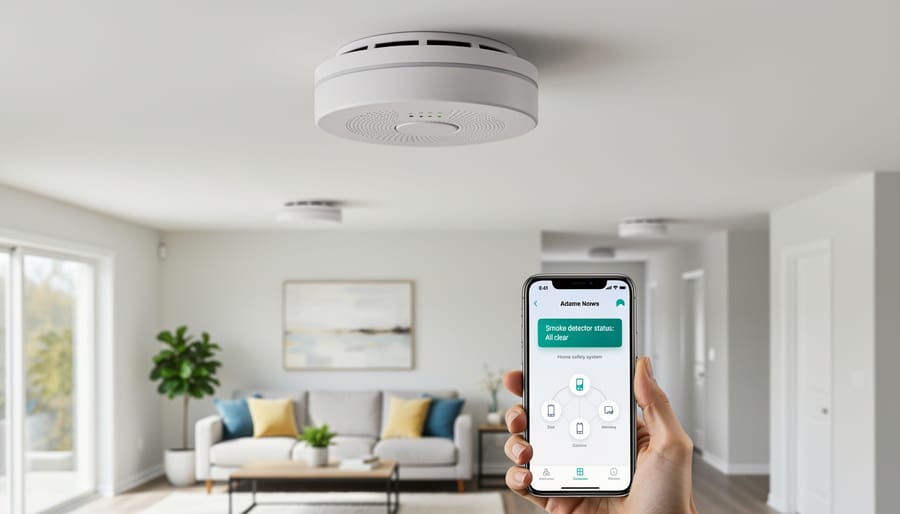
Modern smoke and fire detection systems have evolved far beyond basic alarms, offering features that directly address buyer concerns after fire damage. Today’s smart detectors connect to your smartphone, sending instant alerts wherever you are—a capability that reassures potential buyers about proactive fire prevention.
These advanced systems use photoelectric and ionization sensors to detect both smoldering and flaming fires earlier than traditional detectors. When interconnected throughout your home, one triggered alarm activates all units, ensuring everyone hears the warning regardless of location. This interconnected approach (which can include both wired and wireless options) demonstrates comprehensive safety coverage to prospective buyers.
Many systems integrate with professional monitoring services, automatically notifying emergency responders even when you’re away. Some models distinguish between smoke, carbon monoxide, and other hazards, reducing false alarms while maintaining vigilant protection.
For sellers recovering from fire damage, installing these intelligent detection systems sends a powerful message: your home now features superior safety measures compared to properties that haven’t upgraded. The visible presence of modern detectors with smartphone connectivity transforms a previous vulnerability into a documented strength, helping buyers feel confident about their investment.
Integrated Security Systems
After a fire, buyers naturally have heightened concerns about safety and security. Installing comprehensive smart security systems demonstrates your commitment to providing a protected living environment while adding substantial market value.
Video doorbells serve as your property’s first line of defense, offering real-time monitoring and two-way communication. These devices allow homeowners to see and speak with visitors remotely, creating a visible deterrent to potential intruders while providing convenient package delivery management.
Smart locks eliminate the vulnerability of traditional keys while offering keyless entry through smartphones, codes, or biometric authentication. This technology provides homeowners with complete access control, allowing them to grant temporary entry to guests or service providers without physical key exchange.
When integrated together, these security components work as a unified system that can be monitored and controlled from a single smartphone application. This seamless connectivity not only enhances safety but also appeals to tech-savvy buyers who prioritize modern convenience. For post-fire properties, this comprehensive approach signals that every aspect of the home has been thoughtfully upgraded to current standards.
Water Leak Detection
After fire damage, water from firefighting efforts often causes secondary damage that can linger unseen. Installing smart water leak detection sensors demonstrates to potential buyers that you’ve taken proactive steps to prevent future water-related issues.
These compact devices monitor moisture levels in vulnerable areas like under sinks, near water heaters, and around HVAC systems. When they detect unusual moisture or active leaks, they send instant alerts to your smartphone, allowing for immediate intervention before minor issues become major problems.
Modern systems like Flo by Moen or Phyn Plus go beyond simple detection by integrating with your home’s main water line. They can automatically shut off water supply when catastrophic leaks occur, providing an extra layer of protection that resonates strongly with buyers concerned about potential hidden damage from the previous fire.
For fire-damaged homes, this technology serves dual purposes: it addresses legitimate buyer concerns about water damage from firefighting efforts while showcasing your commitment to modern home protection. Installation is straightforward, with many sensors requiring only battery power and Wi-Fi connectivity. This upgrade typically costs between $50-500 depending on system complexity, offering excellent return on investment by reducing buyer hesitation and strengthening your home’s appeal in a competitive market.
Climate Control Upgrades That Showcase Complete Restoration
Smart Thermostats and Zoning
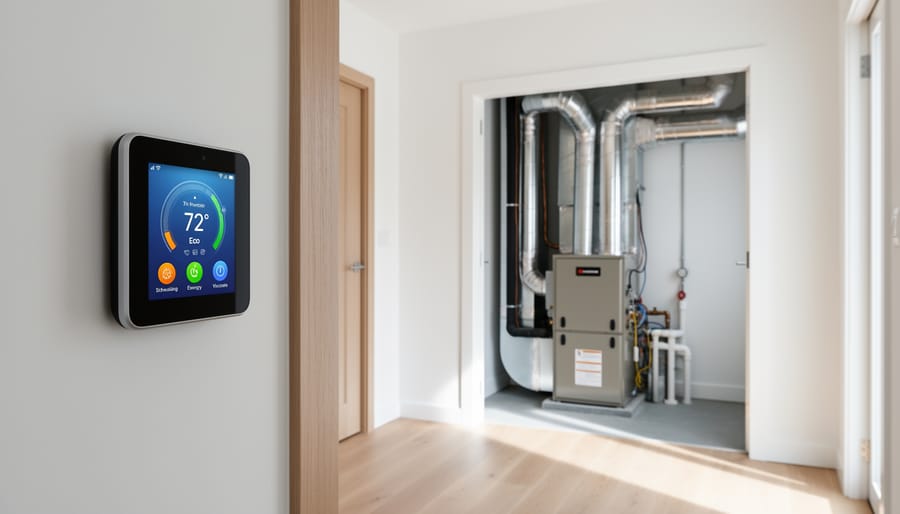
After fire restoration, your property likely received a brand-new HVAC system—an ideal foundation for implementing smart climate control technology. Smart thermostats like the Nest Learning Thermostat or ecobee SmartThermostat transform standard heating and cooling into an intelligent, energy-saving system that appeals to modern buyers.
These devices learn occupancy patterns and adjust temperatures automatically, reducing energy costs by up to 23% annually. For buyers concerned about the quality of post-fire restoration, visible smart technology demonstrates that your property features cutting-edge systems, not just basic replacements.
Consider pairing smart thermostats with zoning systems, which divide your home into separate climate-controlled areas. This tailored solution allows different temperatures in various rooms—perfect for multi-story homes or properties with additions. Zoning prevents energy waste by heating or cooling only occupied spaces.
Smart thermostats integrate seamlessly with voice assistants and smartphone apps, offering remote control and energy usage reports. This transparency reassures potential buyers about ongoing operating costs, a common concern when evaluating fire-damaged properties.
The installation process is straightforward with new HVAC systems, and most smart thermostats include compatibility checkers to ensure proper integration. Highlight these energy-efficient upgrades in your listing to showcase the hidden benefits of complete system replacement following fire damage.
Air Quality Monitoring
Installing advanced air quality monitoring sensors provides prospective buyers with tangible proof that your home’s air is clean and safe. These smart devices continuously measure particulate matter (PM2.5), volatile organic compounds (VOCs), carbon monoxide, and other pollutants that might linger after fire damage.
Modern air quality monitors connect to your smartphone and display real-time data that buyers can review during showings. This transparency directly addresses one of the biggest concerns for anyone considering a previously fire-damaged property: invisible contaminants. When buyers see consistent readings showing excellent air quality, it builds confidence in the restoration work completed.
Choose sensors that integrate with popular smart home platforms and offer historical data tracking. This allows you to demonstrate months of clean air readings, proving the remediation was thorough and lasting. Some systems even generate shareable reports that can be included with property disclosures.
Position monitors in previously affected areas and main living spaces. The visible presence of these devices signals your commitment to health and safety while providing objective evidence that counters any lingering doubts about smoke damage or poor indoor air quality.
Lighting Solutions That Transform Spaces
Automated Lighting Control
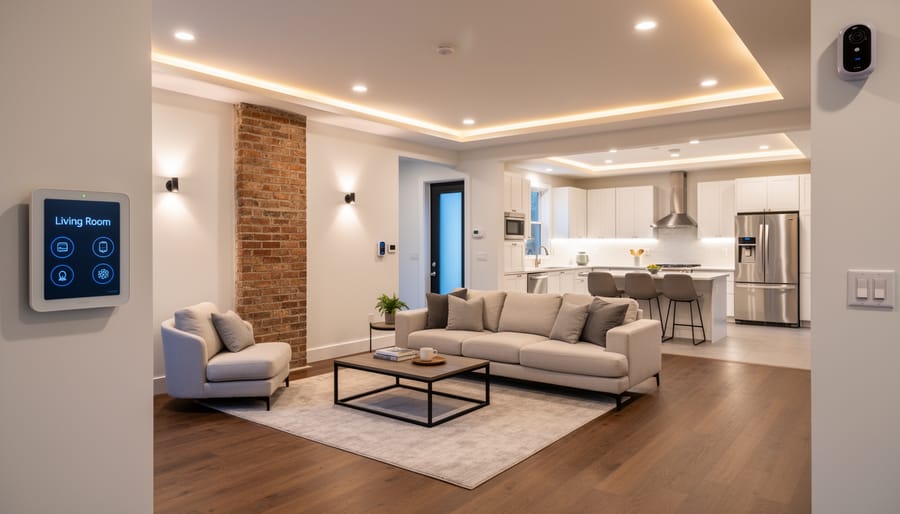
Modern buyers appreciate homes that balance convenience with sustainability, making automated lighting control a compelling upgrade after fire restoration. These systems allow homeowners to create customized lighting scenes for different activities—entertaining, working, or relaxing—all controlled through smartphone apps or voice commands.
Beyond the convenience factor, smart lighting demonstrates energy efficiency that resonates with environmentally conscious buyers. LED bulbs paired with automated scheduling reduce electricity consumption by up to 75% compared to traditional lighting, translating to lower monthly utility bills. Motion sensors ensure lights activate only when needed, eliminating wasted energy in vacant rooms.
For post-fire properties, smart lighting showcases the home’s complete modernization while highlighting restored spaces with optimal illumination. Programmable settings can also enhance security through vacation modes and randomized patterns, addressing buyer concerns about the property’s safety features. This combination of functionality and efficiency makes automated lighting a strategic investment for faster sales.
Strategic Illumination for Showings
Programmable lighting transforms how potential buyers perceive restoration work, turning post-fire concerns into confidence. Smart lighting systems (which connect to your home network and adjust via app or voice commands) allow you to create customized scenes that emphasize your property’s renewed condition. Position bright, daylight-balanced LED fixtures in areas that underwent significant restoration to showcase quality workmanship and fresh materials. These systems can automatically adjust throughout showings, maintaining optimal brightness that eliminates shadowy corners where buyers might suspect hidden damage.
Create welcoming environments by programming warm lighting sequences for entryways and living spaces, establishing immediate positive impressions. Motion-activated lighting demonstrates both technological sophistication and thoughtful restoration planning. The ability to remotely control lighting before showings ensures your property always presents at its best, even for last-minute appointments. This tailored solution addresses buyer hesitation head-on by using innovative technology to highlight transparency rather than conceal problems, ultimately shortening time on market while justifying premium pricing for your fully restored home.
Budget-Conscious Upgrades for Fast ROI
High-Impact, Lower-Cost Options
Not every smart upgrade requires a significant investment. Strategic, cost-effective additions can significantly improve your home’s appeal to buyers concerned about fire damage while demonstrating your commitment to modernization.
Smart doorbells with integrated cameras typically cost between $100-250 and provide immediate curb appeal. These devices offer buyers reassurance through real-time monitoring and video recording capabilities, addressing security concerns that often accompany fire-damaged properties. Many models include motion detection and two-way communication, features that resonate with safety-conscious purchasers.
Programmable smart thermostats represent another accessible entry point, usually ranging from $120-250. Beyond energy efficiency benefits that average 10-23% on heating and cooling costs, these devices demonstrate the home’s updated infrastructure. They’re particularly effective in post-fire scenarios because they showcase the replacement of outdated HVAC components.
Smart lighting systems offer the most flexible investment, starting as low as $15 per bulb or $50-200 for starter kits. These solutions allow potential buyers to experience the home’s atmosphere during showings while highlighting successfully restored electrical systems. Voice control and smartphone integration add contemporary appeal that helps buyers envision the property as move-in ready rather than fire-damaged.
Where to Invest More Strategically
For higher-value properties recovering from fire damage, strategic investments in comprehensive smart systems can significantly accelerate your sale while commanding premium pricing. Central control systems like SmartThings or Control4 create a cohesive ecosystem where lighting, climate, security, and entertainment operate seamlessly from a single interface. This unified approach demonstrates complete home restoration while positioning your property as move-in ready for discerning buyers.
Professional-grade security systems with integrated fire detection, environmental monitoring, and 24/7 professional monitoring services address buyer concerns head-on. These comprehensive solutions typically include smoke and heat sensors in every room, carbon monoxide detection, water leak sensors, and glass break detectors. When marketed correctly, they transform your fire-damaged property’s narrative from “past disaster” to “safest home on the block.”
Consider installing whole-home automation that includes motorized window treatments, automated door locks, and energy management systems. These premium features appeal to tech-savvy buyers who value convenience and efficiency. The key is ensuring these investments align with your property’s market value—luxury homes warrant sophisticated systems, while mid-range properties benefit more from focused upgrades in safety and visible restoration areas.
Working with Smart Home Professionals During Restoration
Coordinating with Contractors
Successful post-fire smart home upgrades require close collaboration between smart home professionals and restoration contractors. Begin by scheduling a joint walkthrough where both teams can assess the property’s infrastructure and identify optimal installation points for smart devices. This coordination ensures electrical work, networking cables, and device mounting locations align with restoration timelines.
Communication is essential throughout the process. Share installation schedules to avoid conflicts, and establish which team handles specific tasks. For example, restoration contractors typically complete drywall repair before smart thermostats or sensors are mounted. Your smart home specialist should coordinate with electricians to verify proper wiring for smart panels and ensure Wi-Fi coverage reaches all planned device locations.
Document everything through photos and reports that demonstrate professional installation quality. This collaborative approach not only streamlines the upgrade process but also provides potential buyers with confidence that both restoration and technology integration were completed to professional standards, ultimately supporting a faster sale.
Planning for Future-Ready Infrastructure
When rebuilding after fire damage, installing infrastructure that supports future technology expansion demonstrates forward-thinking renovation and attracts tech-savvy buyers. Start with Cat6 or Cat6a ethernet cabling throughout the home, creating a robust wired network backbone that supports both current smart devices and future innovations. This hardwired foundation offers reliability that WiFi alone cannot match.
Install conduit runs in walls and ceilings during reconstruction, providing pathways for future cable upgrades without requiring additional demolition. These empty conduits offer flexibility as technology evolves, showing buyers the home won’t become outdated quickly.
Ensure your electrical panel has sufficient capacity and available circuits for expanding smart systems. A 200-amp service with space for additional breakers accommodates everything from electric vehicle chargers to whole-home battery backup systems.
Consider installing a dedicated low-voltage panel for smart home wiring, centralizing connections for security systems, audiovisual equipment, and automation controllers. This professional-grade approach signals quality renovation and serious technology integration.
Document all infrastructure improvements with detailed diagrams and photos for potential buyers. This transparency about the home’s technological capabilities turns reconstruction necessity into a powerful selling advantage.
Transforming a fire-damaged property into a modern, connected home through strategic smart upgrades represents more than restoration—it’s an opportunity to reposition your property as a forward-thinking residence that exceeds current market standards. By integrating advanced safety systems, energy-efficient technologies, and convenient automation features, you address buyer concerns head-on while creating genuine added value that distinguishes your home from standard listings.
The key is selecting upgrades that serve dual purposes: demonstrating thorough restoration while providing tangible lifestyle benefits. Smart smoke detection systems reassure buyers about safety while offering cutting-edge protection. Energy monitoring solutions showcase new electrical infrastructure while promising lower utility costs. Automated lighting and climate control highlight complete renovation while delivering everyday convenience.
As you navigate the restoration process, consulting with smart home professionals early ensures seamless integration of these technologies into your renovation plans. Their expertise helps you avoid costly retrofitting and identifies which innovations deliver the strongest return on investment for your specific market. With the right approach, your fire-damaged property transitions from a difficult sale into a desirable modern home that attracts motivated buyers and potentially commands premium pricing.